头部背景图片

Blending Modified VAE Emulsion

2024-09-30

Vinyl acetate-ethylene copolymer emulsion is a polymer emulsion made of vinyl acetate and ethylene as basic raw materials, referred to as VAE emulsion or EVA emulsion in English. Since its introduction in 1965, it has been widely used in adhesives, building materials, coatings, papermaking, fabric processing, tobacco, packaging and other fields due to its excellent adhesion, permanent flexibility, good acid and alkali resistance and other properties.


In order to improve the performance of VAE emulsion and expand its application range, a lot of fruitful modification research has been done to improve the water resistance, mechanical strength, heat resistance, adhesion, curing speed and other aspects of VAE emulsion. These modification studies are mainly focused on the following directions: additive method, copolymerization method, composite modification method and blending method. Among them, the blending method is a method of physically blending VAE emulsion with one or more polymer solutions or emulsions to form a multi-component system. The properties of the various components of the blending method can complement each other, thereby obtaining new materials with better performance or new properties, reducing costs while potentially expanding the application field of VAE emulsion, allowing VAE emulsion to play a greater application value.


Polymer solutions or polymer emulsions that are often blended with VAE emulsions include: rosin resin, phenolic resin, urea-formaldehyde resin, terpene resin, polyurethane emulsion, acrylic emulsion, styrene-acrylic emulsion, vinyl acetate emulsion, styrene-butadiene emulsion, etc. Since VAE emulsion has good miscibility with a variety of emulsions, blending is the simplest and most direct way to achieve complementary properties of the blended components and obtain new properties.


PVAc emulsion was used to modify VAE emulsion, and at the same time, thickening resin and additives were used to synthesize an adhesive suitable for bonding non-polar plastic materials. The addition of thickening resin significantly improved the bonding strength of the emulsion; the addition of acidic metal salt crosslinking agent improved the water resistance of the system without affecting the stability of the emulsion.


VAE emulsion was modified by blending pure acrylic emulsion, acetic acid acrylic emulsion, silicone acrylic emulsion, styrene acrylic emulsion and VAE emulsion to prepare adhesive. The results show that the VAE emulsion modified by acrylate emulsion has been greatly improved in bonding performance and peel strength. Among them, the adhesive obtained by using acetic acid acrylic emulsion to modify VAE emulsion has the best comprehensive performance, especially the most obvious improvement in high temperature adhesion.


Website: www.elephchem.com

Whatsapp: (+)86 13851435272

E-mail: admin@elephchem.com

ElephChem Holding Limited, professional market expert in Polyvinyl Alcohol(PVA) and Vinyl Acetate–ethylene Copolymer Emulsion(VAE) with strong recognition and excellent plant facilities of international standards.

 

Introduction to Ethylene Vinyl Alcohol Copolymer

2024-09-30

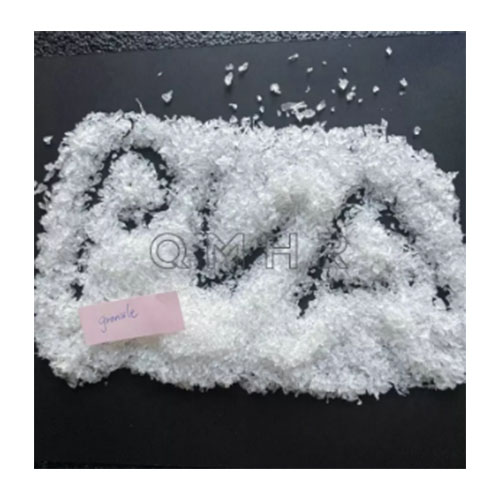
EVOH (ethylene-vinyl alcohol copolymer) is a polymer material produced by copolymerization of ethylene and vinyl alcohol. Since the polar hydroxyl groups on the EVOH molecular chain can form hydrogen bonds with water molecules, it can block moisture, while its non-polar vinyl groups can effectively block gases.


EVOH has good processing properties and can be blended or compounded with various plastics such as PE, PP, PET, etc. to produce blended or composite materials with excellent performance. It also has good thermal stability and can be processed at high temperatures. It has excellent transparency, which makes the contents of the package clearly visible and easy for consumers to check. It can be completely recycled and reused, and can also be biodegraded to reduce pollution to the environment. Due to its excellent barrier properties and environmental protection, EVOH is widely used in the field of food packaging. For example, it is widely used in vacuum packaging, food cans, beverage bottles and other fields.


EVOH is also widely used in the field of medical packaging, such as pharmaceutical packaging, medical dressing packaging, etc. Its excellent barrier properties can effectively extend the shelf life of drugs and medical dressings. In addition, EV0H is also widely used in the fields of cosmetic packaging, pesticide packaging, etc.


Website: www.elephchem.com

Whatsapp: (+)86 13851435272

E-mail: admin@elephchem.com

ElephChem Holding Limited, professional market expert in Polyvinyl Alcohol(PVA) and Vinyl Acetate–ethylene Copolymer Emulsion(VAE) with strong recognition and excellent plant facilities of international standards.

Introducing Curing Agent YLH-6005 Enhanced Performance and Unmatched Versatility

As a passionate enthusiast in the world of curing agents and modified curing agents, you’re always on the lookout for the next groundbreaking solution. Look no further! Allow us to present to you Curing Agent YLH-6005, a revolutionary product designed to take your curing process to new heights. With its unique features and numerous benefits, YLH-6005 is set to revolutionize the way you approach your projects.

Unparalleled Performance

One of the standout features of Curing Agent YLH-6005 is its exceptional performance. This curing agent is formulated with a precise blend of ingredients, meticulously chosen to deliver unparalleled results. Whether you’re working with composites, adhesives, coatings, or sealants, YLH-6005 offers remarkable cross-linking capabilities, enhancing the overall strength and durability of your end products.

Versatility at Its Best

One size does not fit all when it comes to curing agents, and that’s where Curing Agent YLH-6005 shines. This versatile product adapts to a wide range of applications, making it an invaluable asset in various industries. It is particularly effective in automotive, aerospace, construction, and electronics sectors. No matter the specific needs of your project, YLH-6005 rises to the occasion, delivering outstanding performance every time.

Efficient Cure Time

Time is of the essence in any project, and YLH-6005 understands this. With its accelerated curing properties, projects that once required extended curing times can now be completed more efficiently. This not only enhances productivity but also saves you valuable time and resources. Say goodbye to long waiting periods, and enjoy the benefits of a shortened cure time with Curing Agent YLH-6005.

Enhanced Chemical Resistance

In demanding environments where exposure to chemicals is inevitable, Curing Agent YLH-6005 stands strong. It provides excellent resistance to a wide range of chemicals, protecting your end products from corrosion, degradation, and other forms of chemical attack. Your creations will be able to withstand harsh conditions, ensuring their longevity and reliability.

Environmental Considerations

As responsible stewards of the environment, it’s crucial to use products that prioritize sustainability. Curing Agent YLH-6005 is formulated with environmentally friendly components, reducing its impact on ecosystems without compromising performance. By choosing YLH-6005, you can confidently create outstanding products while minimizing your environmental footprint.

Conclusion

In summary, Curing Agent YLH-6005 is a game-changer for enthusiasts like yourself. Its unrivaled performance, versatility, efficient cure time, enhanced chemical resistance, and eco-friendly formulation set it apart from other curing agents. By incorporating YLH-6005 into your projects, you’ll experience remarkable results, outperforming your competition and exceeding customer expectations. Don’t miss the opportunity to revolutionize your curing process. Try Curing Agent YLH-6005 today and unlock a world of possibilities.

New high barrier material, Modified PVA Coated Film

2024-09-27

The modified polyvinyl alcohol coated composite film is colorless and has good transparency. It has excellent oil resistance and organic solvent resistance. It has good antistatic properties. It can be used for microwave heating and metal detection of packaged food. It has excellent aroma preservation performance, which can maintain the original flavor of the food in the bag for a long time, and at the same time effectively prevent the odor outside the packaging material from entering the packaging bag.


It has excellent barrier properties for oxygen, nitrogen, hydrogen and carbon dioxide. Its oxygen barrier performance is better than that of PVDC coated film and EVOH five-layer co-extruded film. Its oxygen barrier performance is the best among various resin films, comparable to aluminum foil, glass, aluminum oxide-plated film and silicon oxide-plated film.


The production cost of PVA coated composite film is much lower than that of paper-aluminum-plastic composite and aluminum-plastic composite packaging materials, much lower than that of EVOH five-layer co-extruded film, and lower than that of composite film with PVDC coating.


Satisfactory results can be achieved by using the existing dry laminating machines, coating machines, wet laminating machines, extrusion laminating machines and other equipment of various flexible packaging manufacturers. The modified PVA glue does not form a skin, and the viscosity does not increase significantly during normal use. The coating layer is very thin, but the thickness uniformity of the coating remains excellent.


The structural components of polyvinyl alcohol (PVA) high barrier water-based coating liquid are carbon, oxygen, hydrogen and silicon. It is degradable and recyclable. When burned, it only produces carbon dioxide and water without producing other substances harmful to the environment and human health. It is pollution-free and is an ideal environmentally friendly high barrier packaging material.


Website: www.elephchem.com

Whatsapp: (+)86 13851435272

E-mail: admin@elephchem.com

ElephChem Holding Limited, professional market expert in Polyvinyl Alcohol(PVA) and Vinyl Acetate–ethylene Copolymer Emulsion(VAE) with strong recognition and excellent plant facilities of international standards.


Polyvinyl Alcohol (PVA) block copolymer

2024-09-27

PVA block copolymer is a polymer with high application value. It is composed of polyvinyl alcohol (PVA) and another organic polymer block. PVA is a colorless, odorless, non-toxic synthetic polymer with good solubility and plasticity. It has good solubility and gelling ability in water and can form strong hydrogels. Therefore, PVA is widely used in fields such as textiles, paper, adhesives, medical supplies, etc.


The choice of another organic polymer block can be determined according to needs. For example, organic polymers with specific functions such as polyacrylate (PAA), polyacrylamide (PAM), etc. can be selected. These organic polymers have different chemical properties and application characteristics, and can play different roles in block copolymers.


The preparation methods of PVA block copolymers include solution copolymerization, emulsion copolymerization, reaction impregnation, etc. Among them, solution copolymerization is one of the most commonly used methods. During the preparation process, PVA and other organic polymers are first added to the solvent in a certain proportion, and then the two polymers are copolymerized by controlling the temperature, reaction time, acid-base balance and other conditions. The final product is a block copolymer with good properties and application value.


The application of PVA block copolymer is very wide. For example, it can be used to prepare highly absorbent materials such as household paper, sanitary napkins, diapers, etc. In addition, it can also be used to prepare medical dressings, drug sustained-release systems, capsule materials, etc.


In general, PVA block copolymers have high research and application value. By rationally selecting blocks and regulating the preparation method, copolymers with specific functions and properties can be obtained to meet the needs of different fields.


Website: www.elephchem.com

Whatsapp: (+)86 13851435272

E-mail: admin@elephchem.com

ElephChem Holding Limited, professional market expert in Polyvinyl Alcohol(PVA) and Vinyl Acetate–ethylene Copolymer Emulsion(VAE) with strong recognition and excellent plant facilities of international standards.


Unlocking the Potential of PVA Fiber in Sustainable Textiles

2024-09-26


Unlocking the Potential of PVA Fiber in Sustainable Textiles


In a world increasingly focused on sustainability, PVA (Polyvinyl Alcohol) fiber is carving out a niche as a groundbreaking material in the textile industry. With its unique characteristics, PVA fiber is not just a replacement for traditional fibers but a revolutionary solution for eco-conscious brands and consumers. Let’s explore what makes PVA fiber a standout choice for modern textiles.

What Makes PVA Fiber Special?

PVA fiber is derived from Polyvinyl Alcohol, a synthetic polymer that offers remarkable benefits. Unlike many conventional fibers, PVA fiber is biodegradable and dissolvable in water, making it a powerful ally in the quest for sustainable materials.


The Advantages of PVA Fiber

  • Eco-Conscious Choice: PVA fiber’s ability to break down naturally in the environment addresses the pressing issue of textile waste. It’s a step forward for brands committed to reducing their ecological footprint.
  • Innovative Applications: The unique water-soluble nature of PVA fiber opens doors to innovative uses, such as dissolvable textiles for temporary applications, reducing waste in production processes.
  • Strength and Versatility: Despite being lightweight, PVA fibers boast high tensile strength, making them suitable for a range of applications, from clothing to industrial uses.
  • Blending Potential: PVA can be blended with other fibers, enhancing fabric properties while maintaining sustainability, perfect for eco-friendly fashion lines.


Creative Uses of PVA Fiber

  • Fashion Forward: Designers are using PVA fiber to create stylish, sustainable clothing that meets the growing demand for eco-friendly options. The versatility allows for creative designs without compromising on comfort.
  • Medical Innovations: In healthcare, PVA fibers are finding their place in biodegradable sutures and dressings, offering safe, effective solutions that align with sustainability goals.
  • Sustainable Packaging: PVA’s dissolvable properties are being harnessed to produce environmentally friendly packaging solutions, ideal for brands looking to eliminate plastic waste.
  • Advanced Filtration: The filtration industry is exploring PVA fibers for air and water purification, leveraging their unique characteristics to provide sustainable filtering solutions.


Why PVA Fiber is the Future

The shift towards sustainability in textiles is more than a trend; it's a necessity. PVA fiber represents an innovative solution that meets the needs of modern consumers and brands. Its combination of durability, biodegradability, and creative potential makes it an attractive choice for those looking to make a positive impact.

PVA fiber is not just another material; it’s a transformative force in the textile industry. By embracing PVA fiber, businesses can lead the way in sustainable practices while delivering high-quality products that resonate with eco-conscious consumers.

Explore the possibilities with PVA fiber and join the movement towards a more sustainable future in textiles! For more information, get in touch with us today!

Modern Applications of PVA (Polyvinyl Alcohol)

2024-09-26


Modern Applications of PVA (Polyvinyl Alcohol)


Polyvinyl Alcohol (PVA) is a synthetic polymer that has garnered significant attention across various industries due to its unique properties and versatility. In this blog, we'll explore what PVA is, its key characteristics, and the diverse applications that make it an essential material in today's world.


What is PVA?

PVA, or Polyvinyl Alcohol, is a water-soluble synthetic polymer derived from the polymerization of vinyl acetate. It is known for its excellent film-forming abilities, high tensile strength, and biodegradability, making it a preferred choice in numerous applications.


Key Properties of PVA

  • Water Solubility: One of the most notable features of PVA is its solubility in water, which allows it to be easily processed and applied in various environments.
  • Biodegradability: PVA is an eco-friendly option as it can break down in natural environments, reducing its impact on the planet.
  • Film-Forming Ability: PVA can form strong, transparent films, which are useful in packaging and protective applications.
  • Chemical Resistance: It exhibits good resistance to oils and solvents, making it suitable for various industrial uses.


Applications of PVA

  • Packaging: PVA is widely used in the production of biodegradable films and bags, catering to the growing demand for sustainable packaging solutions.
  • Textiles: In the textile industry, PVA serves as a sizing agent, helping to strengthen fibers and improve fabric performance.
  • Adhesives: Due to its excellent adhesive properties, PVA is commonly used in glues and bonding agents across multiple sectors.
  • Construction: PVA is utilized in construction materials as a binder, improving the strength and durability of products like cement and plaster.
  • Medical: In the medical field, PVA is used in the production of contact lenses and other health-related products, owing to its biocompatibility.


Why Choose PVA?

The versatility of PVA makes it a go-to material for industries looking to balance performance with environmental responsibility. Its unique properties allow for innovative solutions that cater to both consumer needs and sustainability goals.

As the demand for eco-friendly materials continues to rise, PVA stands out as a robust option that meets various application requirements. Whether you're in packaging, textiles, or construction, incorporating PVA into your products can enhance performance while contributing to a greener future.


For more information on PVA and how it can benefit your business, feel free to reach out!

A Beginner's Guide to Using PVA 088-03 & PVA 0388 Step-by-Step Instructions

Welcome to our beginner’s guide on how to effectively use PVA 088-03 & PVA 0388. Whether you’re new to the world of adhesives or a DIY enthusiast, this step-by-step tutorial will help you harness the full potential of these powerful bonding agents. So let’s dive in!

Step 1: Gather your supplies

Before you start using PVA 088-03 & PVA 0388, make sure you have all the necessary supplies on hand. You will need:

  • PVA 088-03 adhesive

  • PVA 0388 adhesive

  • Clean cloth or sponge

  • Water

  • Mixing container

  • Protective gloves

Step 2: Prepare the surface

Prepare the surface you will be bonding by ensuring it is clean and free from dust, dirt, and oil. Use a clean cloth or sponge to wipe the surface and remove any contaminants. This will ensure a strong and durable bond.

Step 3: Mix the adhesive

For best results, follow the manufacturer’s instructions to prepare the adhesive. Usually, this involves mixing the adhesive with water in a specific ratio. Use a mixing container and carefully measure the amount of adhesive and water as directed.

Step 4: Apply the adhesive

Using a brush or a trowel, apply a thin, even layer of the adhesive to one of the surfaces you wish to bond. Make sure to spread the adhesive evenly to ensure a solid bond. Avoid applying too much adhesive as it can lead to messiness and compromised results.

Step 5: Join the surfaces

Once the adhesive is applied, carefully align the two surfaces together and firmly press them together. Apply even pressure across the entire area to ensure a strong bond. If needed, use clamps or weights to hold the surfaces in place while the adhesive dries.

Step 6: Allow drying time

Depending on the type of adhesive and the materials being bonded, the drying time can vary. It is important to be patient and allow sufficient drying time for the adhesive to set properly. Refer to the manufacturer’s instructions for the recommended drying time.

Step 7: Clean up

After completing the bonding process, clean up any excess adhesive using a damp cloth or sponge. It is easier to remove the adhesive while it’s still wet, so make sure to clean up promptly.

And there you have it! By following these step-by-step instructions, you can effectively use PVA 088-03 & PVA 0388 for your bonding needs. Remember to always refer to the manufacturer’s guidelines and recommendations for best results.

Happy bonding!

Introduction of Nylon Fishing Line

2024-09-24

As a leisure sport, fishing is becoming more and more popular among people. In our country, the group of fishing enthusiasts is growing day by day. Fishing line is a vital tool in the fishing process, and its quality directly affects the fishing experience. Fishing line, also known as fishing line, is an important part of connecting the fishing rod and the fishhook. It is mainly used to transmit the fisherman's power and sense the movement of the fish. Fishing line materials are diverse, including nylon line, PE line, carbon line, fluorocarbon line, etc. Fishing lines made of different materials have different characteristics and applicable scenarios.

Nylon Line

Nylon line has good elasticity, abrasion resistance and corrosion resistance, and is widely used in various fishing environments. It is suitable for leisure fishing, black pit fishing, etc., especially for beginners. The PE line has extremely high pulling force, strong wear resistance and anti-aging properties, but the line quality is relatively hard and not easy to knot, so it is more suitable for fishing large fish, such as sturgeons, sharks, etc. Carbon wire has the characteristics of high strength, low elongation, and wear resistance, but it is more expensive. The diameter of the metal wire is mainly distributed between 0.08 mm and 0.30 mm, and has excellent wear resistance and tensile strength. Whether fresh or salt water, it maintains excellent performance in various fishing environments. The soft and smooth line body can not only reduce damage to the fish's mouth, but also make the line winding smoother.

Nylon Line

Fishing line plays an important role in the fishing process. Understanding and mastering the relevant knowledge of fishing line will help improve your fishing skills and enjoy a more enjoyable fishing experience.

Presentation of PA6 Pellets

2024-09-24

PA6 Pellets, the full name of Polyamide 6 Pellets, is a polymer compound produced through polymerization reaction using caprolactam as raw material. It has good mechanical properties, wear resistance, chemical resistance, self-lubrication and other advantages, and is widely used in automobiles, electronics, electrical, machinery, packaging and other fields. PA6 Pellets have high strength and tolerance, can withstand certain impact and tensile forces, and are suitable for manufacturing structural parts that bear certain loads. Wear resistance of PA6 Pellets PA6 Pellets have good chemical resistance and can resist most acids, alkalis, salts and other chemical substances, and are suitable for chemical equipment. Lubricity limit can reduce the friction coefficient of moving parts and extend the service life. PA6 Pellets have good thermal stability and can be used at higher temperatures, but with a certain initial heat deformation temperature, they can be used to manufacture automotive parts, such as engine covers, gears, bearings, oil pans, etc. In addition, PA6 Pellets have good insulation and dimensional stability and are suitable for electronic and electrical products, such as sockets, connectors, and coil housings.

Polyamide 6 Pellets

As a high-performance engineering plastic, PA6 Pellets have become an important material in the plastics industry due to their excellent performance and wide range of applications. With the continuous development of my country's plastics industry, the market demand for PA6 Pellets will continue to grow, and the future development prospects are promising.

Polyamide 6 Pellets

Tags
#tt