头部背景图片

Different meshes of polyvinyl alcohol

2024-07-26

The different mesh numbers of PVA should be selected according to the specific application needs, to ensure the best effect. The mesh number of PVA indicates its particle size, the larger the mesh number, the smaller the particle diameter.


For example, ‌120 purpose polyvinyl alcohol particle size is smaller, ‌under the action of surfactants, can be better adsorbed and coated by liquid, the lubricity, and other properties are better than 80 purpose polyvinyl alcohol. ‌, therefore, ‌ when it is necessary to use polyvinyl alcohol, ‌ should be selected according to the specific application needs of different mesh of polyvinyl alcohol.
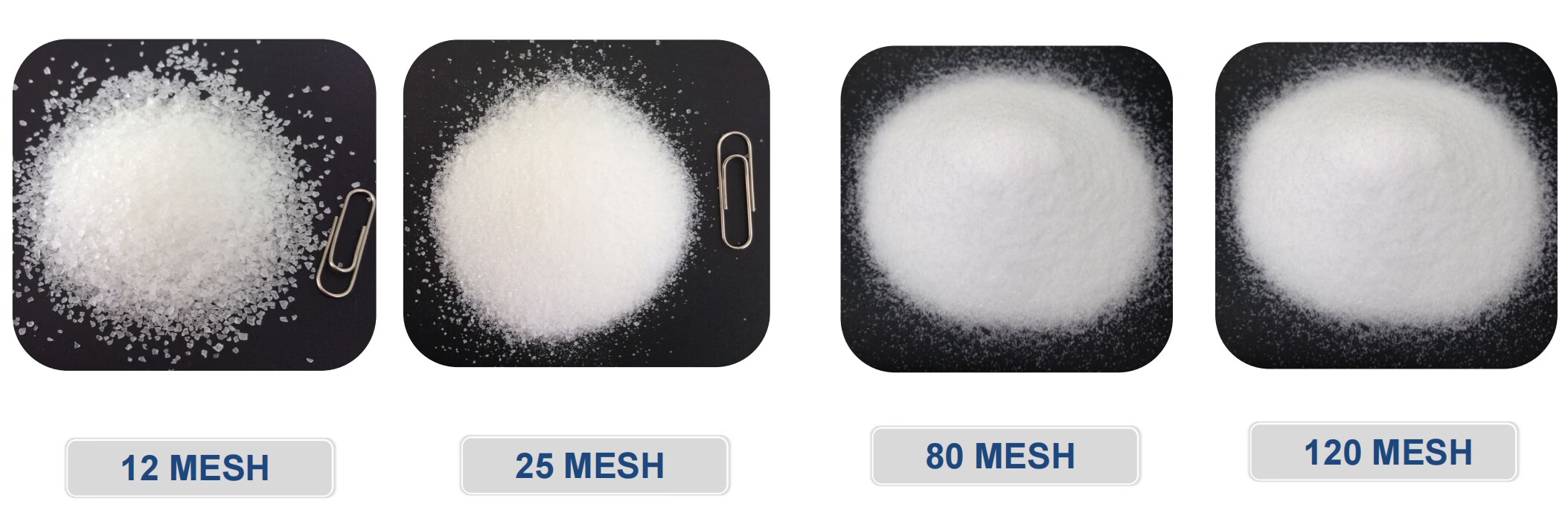
PVA
In addition, the common mesh of ‌ polyvinyl alcohol includes 12 mesh, 20 mesh, 25 mesh, ‌80 mesh and 120 mesh, ‌ grinding into powder can improve the dissolution rate of polyvinyl alcohol, ‌ but not the finer the better, the powder will lump as long as it is soaked with water, especially when the dosage is large. On the contrary, it is not conducive to the dissolution of PVA. 


When dissolving more than 80 mesh PVA powder, pay attention to the way of adding, need to stir quickly, add slowly, to prevent more powder together when encountering water. Dissolved larger particles of powder below 80 mesh PVA basically will not lump, but at room temperature dissolution is slower, you can stir or increase the dissolution temperature, thereby accelerating the dissolution of PVA.


Therefore, the appropriate mesh number should be selected according to the different requirements of the product and the situation of the reactor of the existing equipment.


ElephChem can provide a variety of PVA powder with different mesh sizes, welcome to consult:

Website: www.elephchem.com

Whatsapp: (+)86 13851435272

E-mail: admin@elephchem.com

ElephChem Holding Limited, professional market expert in Polyvinyl Alcohol(PVA) and Vinyl Acetate–ethylene Copolymer Emulsion(VAE) with strong recognition and excellent plant facilities of international standards.


Polyvinyl Alcohol Fiber Vinylon

2024-07-26

Vinylon is the trade name of polyvinyl acetal fiber, also known as Vinylon. Its performance is close to cotton, known as 'synthetic cotton', is the largest variety of existing synthetic fibers in hygroscopicity. It is not easy to ignite, near the flame melting contraction, there is a little flame at the top of the burning, when the fiber is melted into a gel, the flame becomes larger, there is thick black smoke, emitting bitter aroma, and the black small beaded particles are left after burning, which can be crushed by fingers.


Vinylon is the most hygroscopic variety in synthetic fibers, with a hygroscopic rate of 4.5% to 5%, close to cotton (8%). Vinylon is soft and warm, and its relative density is smaller than cotton, so the same weight of Vinylon with cotton can weave more clothing. Its thermal conductivity is low, so the warmth is good. The wear resistance and strength of Vinylon are also better than cotton, so Vinylon can be blended with cotton in many ways to save cotton. Vinylon is mainly used in the production of garments, cotton sweaters, pants, sweatshirts and other knitted fabrics, can also be used in canvas, fishing nets, surgical stitches, bicycle tire cord, filter materials. More and cotton blend: muslin, poplin, corduroy, underwear, canvas, tarps, packaging materials, work clothes, etc.


The main component of Vinylon is polyvinyl alcohol(PVA), but vinyl alcohol is unstable, generally with stable performance of vinyl alcohol acetate (that is, vinyl acetate) as a monomer polymerization, and then the generated polyvinyl acetate alcohol hydrolysis to polyvinyl alcohol, spinning and then treated with formaldehyde, in the polymer chain to introduce a six-membered ring structure to generate polyvinyl formaldehyde, enhance its strength. To get water resistant Vinylon.


The manufacture of industrial vinylon fiber is to dissolve polyvinyl alcohol in water to produce about 15% aqueous solution, through the spinneret with a diameter of about 0.07 mm, in the saturated sodium sulfate aqueous solution solidification bath to produce fiber, and then stretching and heat treatment to improve strength and heat resistance; Then in the presence of catalyst sulfuric acid, acetal reaction with formaldehyde, the temperature is about 70℃, the time is 20 to 30 minutes, after washing, oil to obtain Vinylon fiber. Vinylon fiber has short fiber, tow and filament and other varieties, of which cotton type short fiber and tow are the most common.


Website: www.elephchem.com

Whatsapp: (+)86 13851435272

E-mail: admin@elephchem.com

ElephChem Holding Limited, professional market expert in Polyvinyl Alcohol(PVA) and Vinyl Acetate–ethylene Copolymer Emulsion(VAE) with strong recognition and excellent plant facilities of international standards.

How to maximize the effect of polyacrylamide?

2024-07-24

Polyacrylamide is a versatile polymer with various applications, including water treatment, oil recovery, papermaking, and more. To maximize its effectiveness, here are some key considerations:

1. Molecular weight selection: Polyacrylamide is available in different molecular weights. Higher molecular weight polymers generally provide better flocculation and bridging properties, making them more suitable for solid-liquid separation and clarification processes. Lower molecular weight polymers are often used for friction reduction or as dispersants. Select the appropriate molecular weight based on your application requirements.


2. Dosage optimization: The optimal dosage of polyacrylamide depends on factors such as the characteristics of the system being treated, the desired treatment objectives, and the specific polymer being used. Conduct jar tests or other pilot-scale experiments to determine the optimum dosage for your particular application. Overdosing can be costly and may lead to decreased performance or adverse effects.


3. Proper hydration: Polyacrylamide is typically supplied as a dry powder or in solution form. It is crucial to properly hydrate the polymer before use to ensure its optimal performance. Follow the manufacturer's guidelines regarding the hydration time, temperature, and mixing conditions. Insufficient hydration can result in reduced performance and wasted polymer.


4. Mixing and dispersion: Adequate mixing is essential to ensure uniform dispersion of polyacrylamide throughout the system. Use appropriate mixing equipment to achieve thorough dispersion and avoid the formation of polymer agglomerates or "fish eyes." Consider factors such as mixing speed, duration, and the order of addition of polyacrylamide to the system.


5. pH adjustment: The pH of the system affects the performance of polyacrylamide. Some grades of polyacrylamide are more effective in certain pH ranges. Adjust the pH of the system as necessary to optimize the performance of the polymer. However, keep in mind that extreme pH conditions can degrade the polymer or reduce its effectiveness.


6. Application technique: The method of application depends on the specific application and the physical form of the polyacrylamide. It can be added directly to the system as a dry powder or a dilute solution, or it can be mixed with water first and then added. Consider factors such as the flow pattern, residence time, and concentration gradients to optimize the application technique.


7. System monitoring: Regularly monitor the performance of the polyacrylamide treatment through appropriate analytical methods and measurements. This allows you to assess its effectiveness, make adjustments if necessary, and ensure consistent results.


It is essential to consult the specific guidelines and recommendations provided by the manufacturer of the polyacrylamide product you are using, as they can vary based on the product's formulation and intended application.

How to distinguish the molecular weight of polyacrylamide?

2024-07-19

Polyacrylamide (PAM) is a polymer composed of repeating units of acrylamide. It is available in various grades distinguished by their molecular weights. The molecular weight of PAM affects its physical properties and performance in different applications. Here are the key differences between polyacrylamide with different molecular weights:


1. Molecular Weight: PAM can have molecular weights ranging from several thousand to millions of Molecular weight. The higher the molecular weight, the larger the polymer chains and the increased viscosity of the solution.


2. Solution Viscosity: Higher molecular weight PAM forms more viscous solutions. This property is important for applications like thickening, flocculation, and solid-liquid separation processes.


3. Flocculation Ability: PAM with higher molecular weights exhibits stronger flocculation ability, which is useful in water treatment processes where suspended particles need to be agglomerated and settled.


4. Shear Resistance: Higher molecular weight PAMs offer resistance to mechanical shear forces, making them suitable for applications in high-shear conditions such as oil drilling or hydraulic fracturing.


5. Gel Formation: Higher molecular weight PAMs have a higher tendency to form gels, making them suitable for gel electrophoresis and other gel-based applications.


6. Dissolution Time: Lower molecular weight PAMs typically dissolve more quickly than higher molecular weight ones due to their smaller particle size.


7. Price: The cost of PAM increases with increasing molecular weight, as higher molecular weights require more complex synthesis processes.


When selecting a grade of PAM, it's essential to consider the specific requirements of the application, such as desired viscosity, flocculation efficiency, shear resistance, and, to choose the most appropriate molecular weight grade.


Multifunctional role of N,N'-(4,4' diphenylmethane) bismaleimide in electronic insulating materials

2024-07-17

In the rapidly evolving electronics world, there is an increasing demand for advanced materials that improve performance, reliability and longevity. N,N'-(4,4' diphenylmethane) bismaleimide, referred to as BMI, produced by Yangchen Tech. This high-performance polymer has vital applications in electronic insulation materials and has many advantages. , which can meet the strict requirements of modern electronic equipment. Welcome Inquiry!


Key attributes of BMI manufactured by Yangchen Tech


1. Thermal stability: One of the outstanding features of BMI is its excellent thermal stability. This is critical for electronic insulation materials, which must withstand high temperatures without degrading. BMI maintains its integrity at high temperatures, making it suitable for applications in high-power electronics.


2. Mechanical strength: BMI materials have impressive mechanical strength, ensuring durability and resistance to mechanical stress. This is particularly important in environments where electronic components are subject to vibration and mechanical shock.


3. Electrical insulation: Effective electrical insulation is a basic requirement for materials used in electronic products. BMI has excellent dielectric properties that prevent conduction of electricity and protect sensitive electronic components from short circuits and electrical faults.


4. Chemical resistance: In electronic applications, materials are often in contact with various chemicals during manufacturing and handling. BMI’s chemical resistance ensures it remains stable and effective even in harsh chemical environments.


N,N'-(4,4' diphenylmethane) bismaleimide


Certification of Analysis


ITEM

Limits

Results

Appearance

Yellow powder

Yellow powder

Solubility

Dissolved, with trace impurities

Fully soluble, clear

Melting Point℃

150-160

155-158

Ash%

≤0.3

0.06

Water%

≤0.5

0.12

Acidity mgkoHhttps://www.yangchentech.comg

≤5

1.0

Gel time

≤300

160


Application of BMI in electronic insulation 


1. Printed Circuit Board (PCB): PCB is the backbone of most electronic devices and requires materials that can meet the demands of modern electronics. BMI is used to manufacture high-performance PCBs, providing thermal and mechanical stability to ensure reliable operation over time.


2. Encapsulation and Potting Compounds: To protect electronic components from environmental factors such as moisture, dust, and mechanical damage, encapsulation and potting compounds are required. BMI-based compounds are ideal for these applications due to their superior protective properties.


3. Wire and cable insulation: In applications where wires and cables are exposed to high temperatures and mechanical stress, BMI serves as an excellent insulating material. Its high heat resistance and durability make it suitable for use in harsh environments, such as the aerospace and automotive industries.


4. Advanced electronic packaging: As electronic devices become more compact and complex, the packaging materials used must provide high performance in terms of thermal management and electrical insulation. BMI is increasingly used in advanced electronic packaging solutions to ensure equipment remains efficient and reliable.


The future is bright for BMI in the field of electronic insulation materials. As research and development continue, new formulations and composite materials based on BMI are being explored to further enhance its performance and expand its application range. Innovations in nanotechnology and materials science may unlock new potential for BMI, making it an even more indispensable material in the electronics industry.


N,N'-(4,4'diphenylmethane) bismaleimide manufactured by Yangchen Tech has become a key player in the field of electronic insulating materials due to its excellent thermal stability, mechanical strength, electrical insulation properties and chemical resistance. As electronic devices continue to evolve, demand for high-performance materials like BMI will undoubtedly grow, paving the way for more reliable, efficient, and durable electronic components. Adopting BMI in the field of electronic insulation is not only a step forward; This is a leap into the future of advanced electronics.

N,N'-(4,4' Diphenylmethane) Bismaleimide Transforming Wear-Resistant Material

2024-07-17

In the quest for materials that can withstand extreme conditions, deliver exceptional performance, and ensure long-lasting durability, N,N'-(4,4' diphenylmethane) bismaleimide (BMI) manufactured by Yangchen Tech has emerged as a standout solution. Known for its remarkable thermal and mechanical properties, BMI is increasingly being utilized in the development of wear-resistant materials. This blog explores the various applications of BMI in this field and highlights how it is revolutionizing wear resistance across multiple industries.


N,N'-(4,4' diphenylmethane) bismaleimide


 Key Properties of BMI for Wear Resistance


1. High Thermal Stability: BMI can withstand extreme temperatures without losing its structural integrity, making it ideal for applications where materials are exposed to high heat.


2. Exceptional Mechanical Strength: The mechanical robustness of BMI ensures that it can endure significant wear and tear, maintaining its effectiveness over prolonged use.


3. Chemical Resistance: BMI is resistant to a wide range of chemicals, preventing degradation that could compromise wear resistance in harsh environments.


4. Low Friction Coefficient: BMI materials typically exhibit low friction, reducing wear and extending the lifespan of components.


5. Dimensional Stability: BMI maintains its dimensions even under mechanical stress and temperature fluctuations, which is crucial for maintaining performance in wear-resistant applications.


Certification of Analysis  (manufactured by Yangchen Tech)


ITEM

Limits

Results

Appearance

Yellow powder

Yellow powder

Solubility

Dissolved, with trace impurities

Fully soluble, clear

Melting Point℃

150-160

155-158

Ash%

≤0.3

0.06

Water%

≤0.5

0.12

Acidity mgkoHhttps://www.yangchentech.comg

≤5

1.0

Gel time

≤300

160


 Applications of BMI in Wear-Resistant Materials


1. Aerospace Components: In aerospace, materials are subjected to extreme conditions, including high temperatures and mechanical stress. BMI is used in various components, such as bearings and bushings, where wear resistance is critical for safety and performance.


2. Automotive Parts: The automotive industry benefits from BMI in components like gears, seals, and friction pads. The high wear resistance of BMI ensures these parts remain functional and reliable under continuous operation and harsh conditions.


3. Industrial Machinery: Industrial machines often operate under heavy loads and intense usage, leading to significant wear. BMI-based materials are employed in gears, bearings, and other high-wear parts to enhance durability and reduce maintenance needs.


4. Oil and Gas Industry: Equipment used in the extraction and processing of oil and gas faces abrasive conditions and chemical exposure. BMI materials provide the necessary wear resistance and chemical stability for components such as seals, valves, and pump parts.


5. Sports Equipment: High-performance sports equipment, including skis, skateboards, and cycling components, can benefit from BMI’s wear-resistant properties. These materials help improve the durability and longevity of sports gear subjected to constant use and harsh environments.


 Advantages of Using BMI in Wear-Resistant Applications


- Extended Lifespan: The durability of BMI materials means components last longer, reducing the frequency of replacements and repairs.

- Reduced Downtime: Enhanced wear resistance minimizes equipment failure, leading to increased operational efficiency and reduced downtime.

- Cost Efficiency: Although BMI materials might be more expensive upfront, their long-term benefits in terms of reduced maintenance and replacement costs make them a cost-effective choice.

- Performance Enhancement: BMI’s properties contribute to improved performance of components, ensuring they operate reliably under demanding conditions.


Our Stock